Documentary Production · Editorial Workflow
A documentary is shaped long before the final edit.
Research, access, field footage and editorial judgement have to work as one system if the final story is going to remain clear, credible and visually strong.
Before filming, the team needs a clear editorial purpose and verified context.
Access, weather and real events reshape production, so crews need discipline and flexibility.
The final cut determines what the audience understands, not only how the film looks.
The strongest cut is the one that respects the subject, removes noise and lets verified context carry the story.
— Bourbiza Mohamed, Founder and Editorial Director, Euro News AgencyDocumentary work depends on decisions made long before post-production begins. Research defines the question, access defines the field and the edit defines what the audience can understand.
Euro News Agency works with a compact production model: small crews, disciplined planning, strong visuals and a clear editorial spine. This allows a story to become a long-form documentary, a short report, a social reel or a photo-led digital feature without losing its centre.
Research is where the documentary really begins
The camera is only one part of documentary production. Before filming, the production team needs to know what question it is trying to answer, what information must be verified and which voices can explain the subject with authority or first-hand experience.
Good research also identifies what should not be filmed simply because it looks dramatic. A visually strong sequence has limited value if it does not support the story. Editorial planning helps distinguish atmosphere from evidence and spectacle from context.
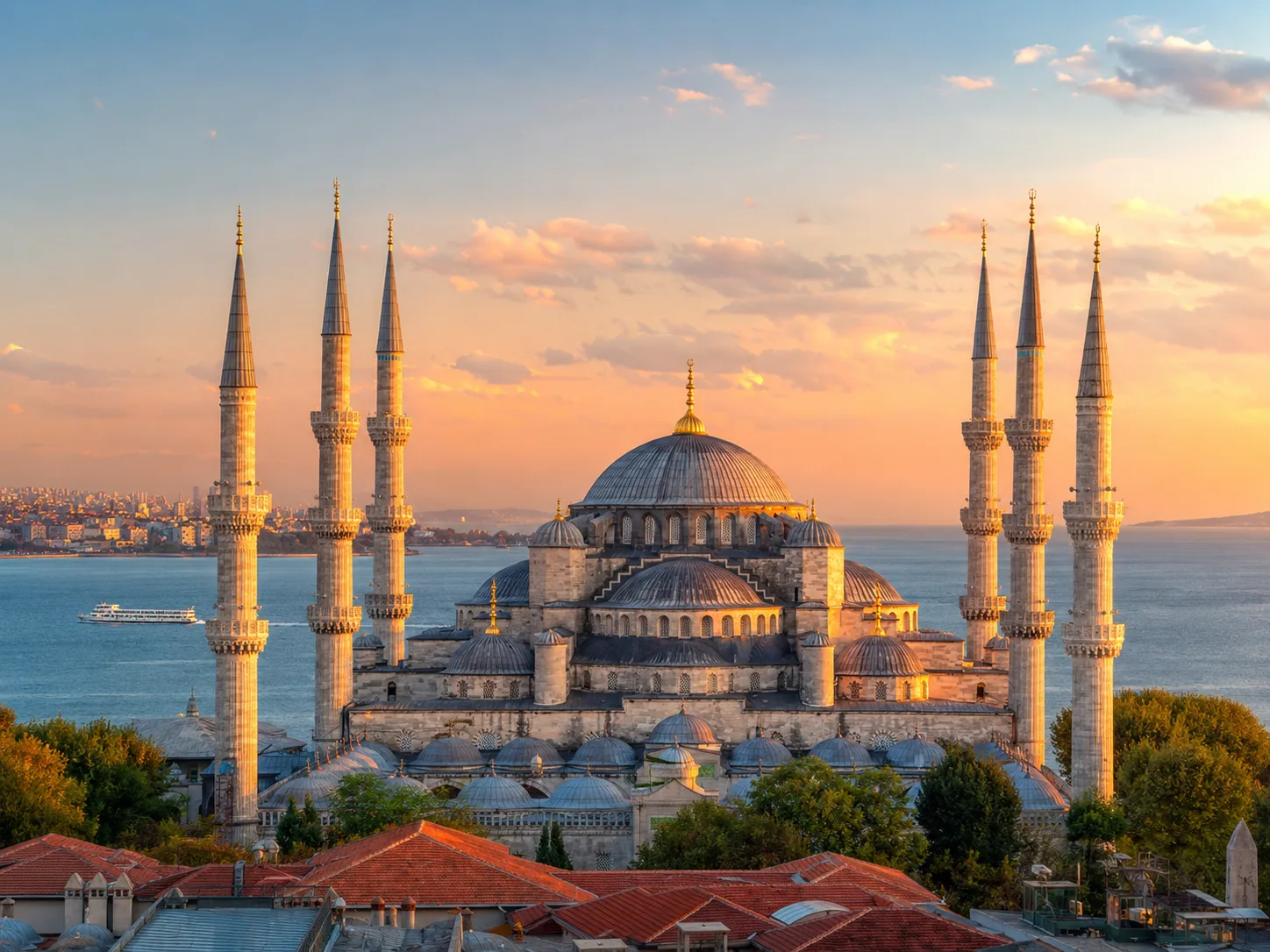
Our aerial documentary on the Bosphorus is a useful example of what this stage actually decides. Istanbul is one of the most filmed cities on earth. The research question was not “what does Istanbul look like from above” — that footage already exists in enormous quantity — but which relationship between the two shores a film could show that ground-level coverage keeps missing. Everything that followed, including which permits to apply for and which hours to fly, came out of answering that first.
Field access shapes the story
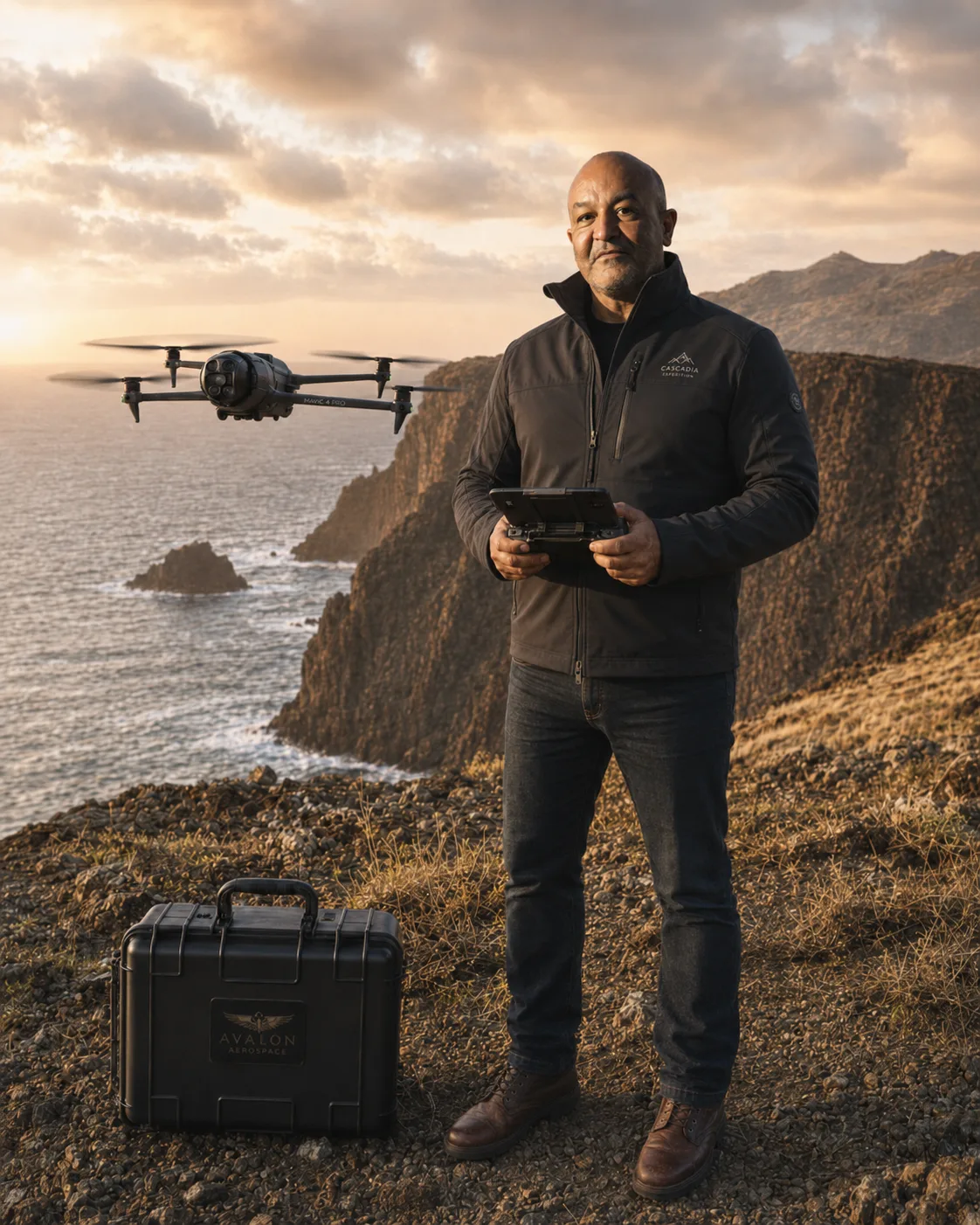
Documentary plans change in the field. Weather shifts, interview schedules move, locations become inaccessible and real events rarely follow a shot list. A compact crew can respond quickly, but flexibility works best when the editorial purpose is already clear.
Some subjects give you one window and no second attempt. Our field note from Cappadocia came out of a morning that either happened or did not: the balloons fly at first light, or the wind grounds them and the day is gone. There is no version of that story you can schedule around. The only preparation that helps is having decided in advance what the film is about, so that when the conditions arrive you are not still working it out with the camera running.
Three disciplines that protect the story
Access with purpose
Secure the locations and voices the story actually needs, not simply the easiest material to film.
Visual coverage
Capture establishing images, human detail and natural sound so the edit has real structure.
Accurate notes
Keep field context clear enough that the final edit can distinguish evidence from visual impression.
Editing is editorial judgement
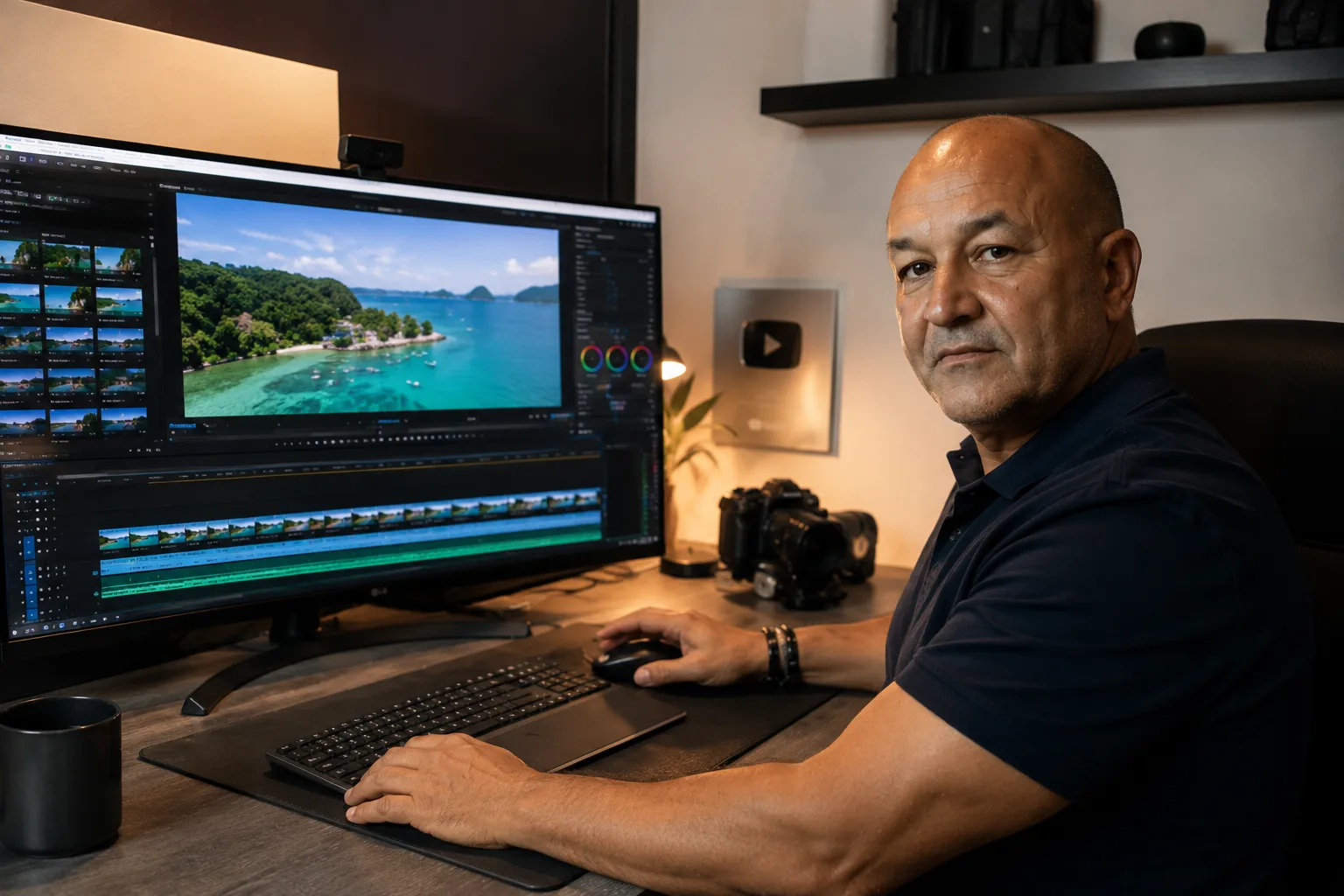
In the studio, structure matters as much as colour or sound. Editing determines what the audience sees first, what information is connected and what is left out. That makes the edit an editorial process, not simply a technical one.
A strong sequence should be clear before it becomes stylish. Music, transitions, colour grading and motion graphics can strengthen a film, but they should not hide a weak argument or manufacture emotion that the material does not support.
The discipline is easiest to see at short lengths. In our breakdown of a sixty-second aerial film, the editing stage is mostly an exercise in discarding: hours of usable footage reviewed so that a handful of seconds survive. Nothing in that process is technical. Deciding which shot opens, which is cut for time and which is cut because it flatters the destination more than it describes it — that is editorial work, done in an edit suite.
One story, several formats
Modern documentary production rarely ends with one master film. The same researched assignment may need a long-form documentary, a short news-style report, vertical social clips, still photography and web editorial material.
The efficient way to create those formats is not to treat them as unrelated products. They should share one factual foundation and one narrative centre. The pacing can change for each platform, but the meaning should remain consistent.
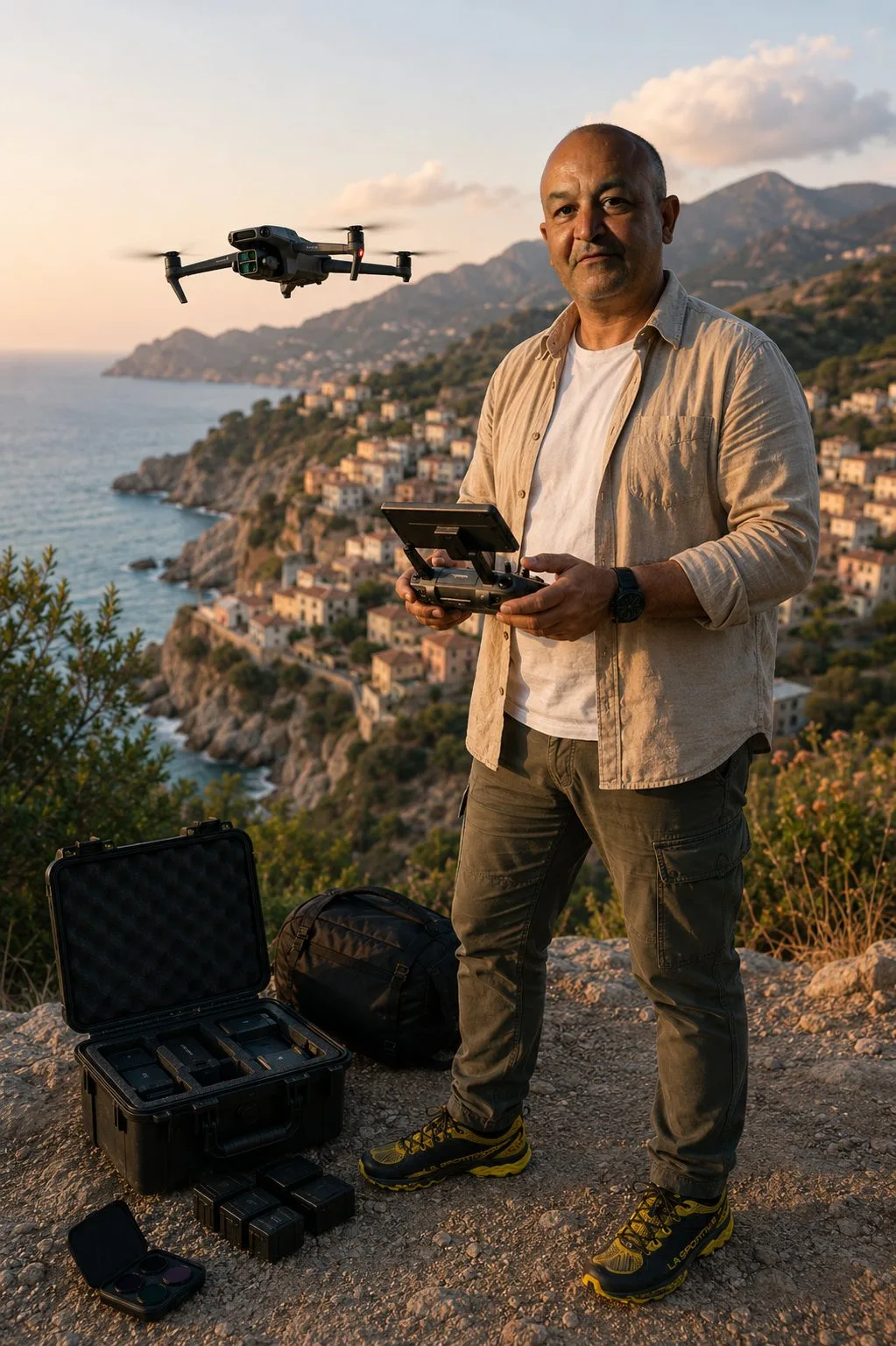
Our promotional work in Rome was built this way from the start: one shoot, one editorial spine, then a horizontal cut, a vertical cut and stills, rather than three separate briefs pretending to be one. The saving is real, but the reason to work like this is not cost. It is that three versions of a story assembled independently will drift, and the audience notices the drift long before the client does.
What we do not do
A workflow is defined as much by its refusals as by its stages, and this is the part most production companies leave unwritten. Ours is short.
We do not stage a scene and present it as observed. If something is reconstructed, it is labelled. We do not use music or grading to produce a feeling the footage has not earned — the temptation is strongest on tourism work, where the brief rewards beauty and the subject rarely objects. We do not film people who have not understood what the material is for, which occasionally costs us a sequence we wanted. And we do not deliver a cut that contains a claim we could not check, even when the claim came from the client.
These are not abstract positions. They are written into our Editorial Policy and Fact-Checking Policy, and they apply to commissioned work exactly as they apply to our own reporting. A commercial client buys the craft. They do not buy the standard.
Why a compact workflow matters
Small production teams have to make decisions carefully. There is less room for unnecessary equipment, duplicate coverage or unclear responsibilities. That limitation can become an advantage when research, filming and editing are treated as one connected editorial process.
For travel, tourism and international reporting, this approach also reduces the gap between what is observed in the field and what appears in the final cut. The editor understands why material was captured, not only what it looks like.
That is the whole argument for keeping the crew small. On a large production the person who chose a shot and the person who cuts it are rarely the same, and the reasoning is lost somewhere between the two. Working across 107 countries since 1998, I have found the opposite arrangement more reliable: fewer people, each carrying more of the story in their head, and an edit that still remembers why the camera was pointed where it was.
FAQ
What is a documentary editorial workflow?
It is the connected process of research, field production, verification, editing and delivery used to turn real-world material into a coherent documentary story.
Why is research important before filming?
Research defines the questions, context and sources that guide filming and helps a crew recognise which images and interviews actually support the story.
Is editing only a technical stage?
No. Editing determines structure, emphasis and context, so it is also an editorial judgement about what the audience will understand.
Can one documentary assignment produce social content?
Yes. When the field material is planned around one editorial spine, it can be adapted into short reports, vertical clips, photographs and digital features without losing context.
What will an editorial workflow refuse to do?
Present a staged scene as observed, use music or grading to manufacture emotion the footage has not earned, film people who have not understood what the material is for, or deliver a claim that could not be verified — including a claim supplied by the client.
Where this workflow has been applied
Istanbul from above
Defining the question before the permits: the Bosphorus aerial documentary.
Cappadocia at first light
One window, no second attempt: a field note from Turkiye.
Sixty seconds of aerial film
What survives the cut: inside an aerial drone production.
Standards and references
- Euro News Agency Editorial Policy and Fact-Checking Policy — the published standards this workflow follows.
- Reuters Journalistic Standards and Values — external benchmark for newsroom practice.
- Productions cited on this page are Euro News Agency commissioned and editorial work; each is documented in the linked article or case study.