Analysis · Travel Marketing · Euro News Agency, London
Drone video in tourism has moved from novelty to industry standard in under a decade. National tourism boards, hotel groups, tour operators and destination management organisations now commission aerial footage as a matter of course. The reason is not that it looks impressive. It is that the underlying consumer research keeps pointing the same way: in travel, moving images persuade and static images do not.
By Bourbiza Mohamed — Euro News Agency
The Headline Figure
Seventy-one per cent of travellers say video has influenced a travel decision, against 24 per cent for static images — a gap of nearly three to one.
Source: Expedia Group Advertising, The Science of Wanderlust, October 2025. Seven-market survey of 7,000 leisure travellers conducted with Censuswide.
Why the Aerial Perspective Changes the Decision
Tourism is one of the few sectors where the customer commits money to something they cannot inspect. The purchase is made on imagination and anticipation. Anything that reduces the gap between what the traveller imagines and what actually exists reduces hesitation — and aerial footage closes that gap faster than any other format.
A bird’s-eye view supplies geography, not just imagery: the beach in relation to the town, the resort in relation to the mountain ridge, the archaeological site in relation to the coastline. Ground-level photography cannot deliver that spatial context, and it is precisely the context travellers use to judge whether a destination is worth the flight.
The same Expedia Group research found that transparency was the tone travellers most associated with trust, cited by 52 per cent, ahead of clarity and confidence at 46 per cent and authenticity at 45 per cent. Honest aerial footage — showing a place as it actually sits in its landscape — scores on all three.
Six Reasons Tourism Operators Keep Commissioning Aerial Work
Video Is What Moves Bookings
Expedia Group’s 2025 research found short-form video positively influenced booking decisions for 49 per cent of travellers and long-form video for 45 per cent. Static imagery sat far behind. Aerial footage is the most distinctive way to occupy that format.
Social Discovery Has Shifted
Expedia Group’s 2025 Traveler Value Index recorded 61 per cent of travellers finding trip ideas on social platforms, up from 35 per cent in 2022. Vertical aerial cuts of fifteen to sixty seconds are built for exactly that surface.
Editorial and Broadcast Pick-Up
Broadcasters and travel desks routinely source aerial footage of destinations they cannot reach themselves. Cleared, properly logged material from a newsworthy location can earn placement in international media — coverage no media buy would deliver at the same cost.
One Shoot, Many Deliverables
A single aerial production yields website hero loops, vertical social cuts, press-kit material, trade-fair loops, agent training footage and B-roll for broadcast partners. Measured per use across a three-year licence, aerial material is among the cheapest assets a destination owns.
Differentiation From Stock
Competing destinations increasingly look identical because they license the same stock libraries. Original aerial material filmed on location is an immediate signal of investment and transparency — the two qualities the trust research keeps returning to.
Search Visibility
Pages carrying properly marked-up video are eligible for Google’s video results and video carousel, placements a text-and-image page cannot reach. Marked-up aerial footage also attracts links from partners who embed it.
What Separates Footage That Works From Footage That Sits in a Folder
Not all aerial material performs. In our experience across commissions in Europe, the Middle East and Asia, the difference is decided before the drone leaves the ground, in four production choices.
Production Checklist
The soft, directional light in the hour after sunrise and before sunset is what separates professional aerial tourism footage from a midday flyby. It constrains the shoot calendar, and it is worth the constraint.
Every flight path should reveal something — a coastline curving into frame, a city grid unfolding, a landmark emerging from the terrain. A hovering camera records; a moving camera narrates.
Drone footage is captured flat by design. The grade applied in post decides whether the destination reads as luxury, adventure, heritage or nature tourism. Grade for the market you are selling to.
In the United Kingdom this means registration with the Civil Aviation Authority and, for operations outside the Open category, an Operational Authorisation. Across the European Union the equivalent framework is EASA’s Open, Specific and Certified categories. Add site permissions, local permits and public liability cover. Footage without this paperwork is not licensable to broadcasters — it is a liability, not an asset.
From the Bosphorus to the Andaman Sea: Production at Scale
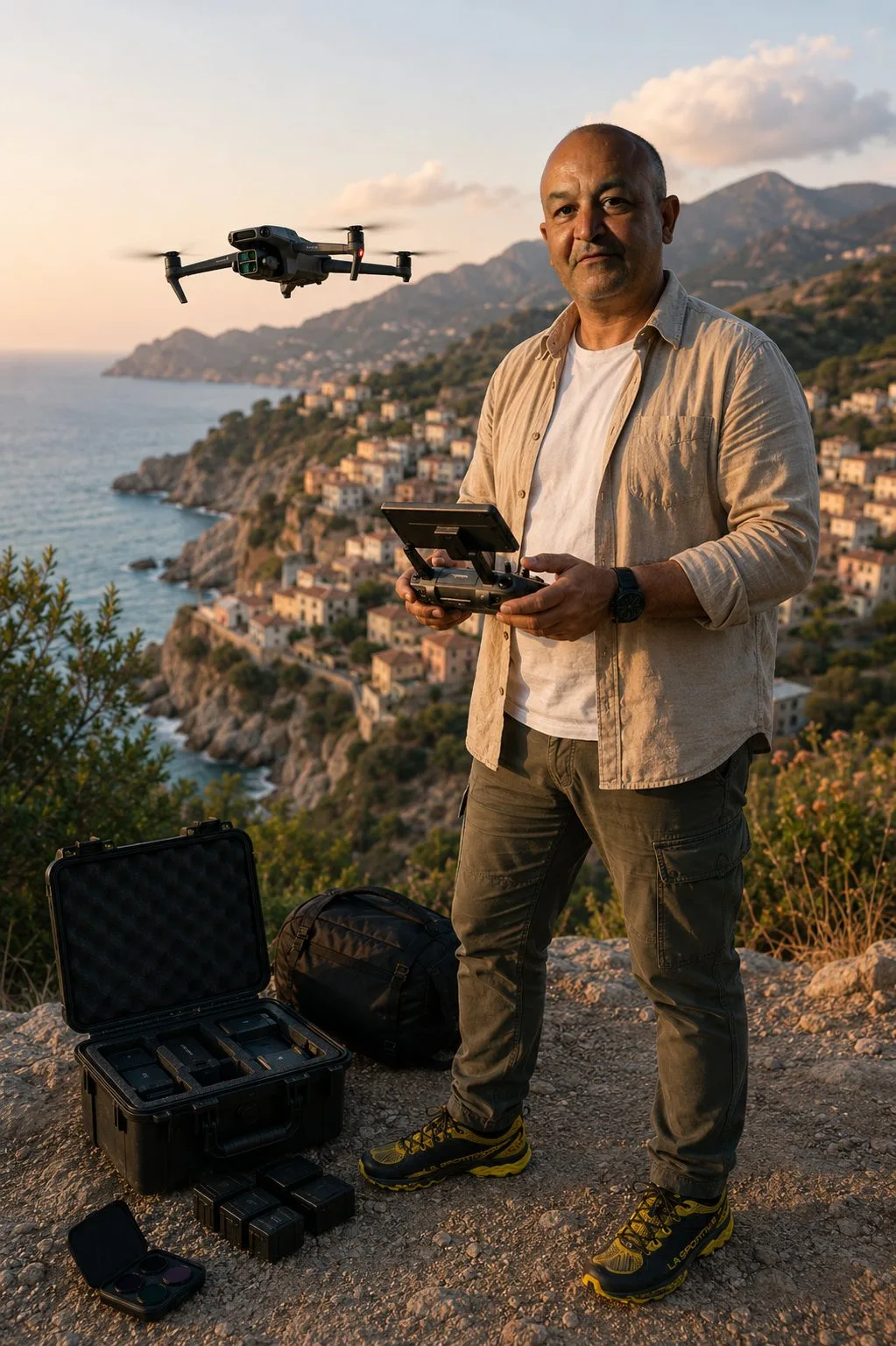
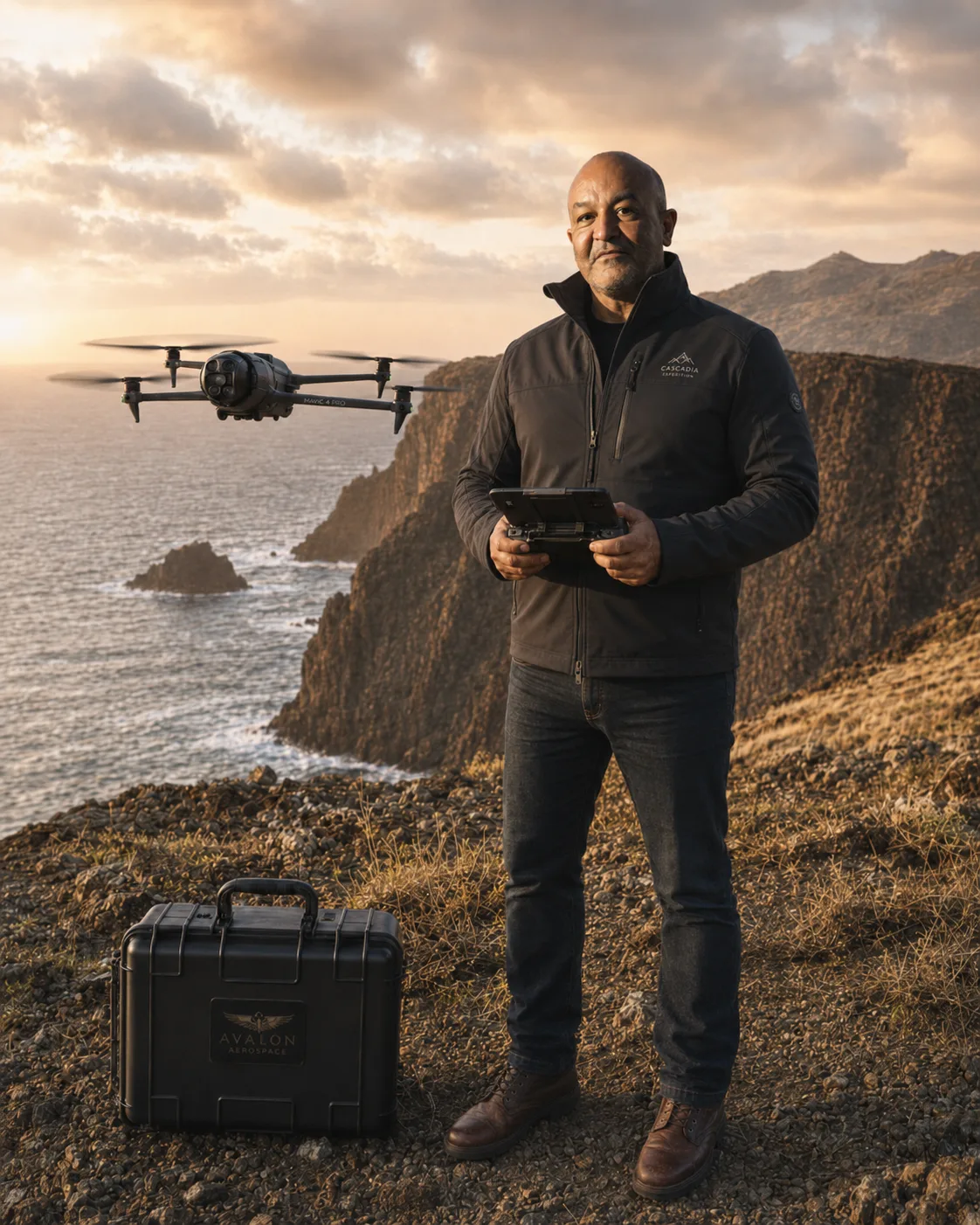
Euro News Agency has produced aerial tourism content across destinations in Europe, the Middle East and Asia, on commission for tour operators, hospitality groups and national tourism organisations. The two sequences on this page illustrate how the same editorial discipline adapts to opposite destination types — dense urban heritage on one hand, open coastal landscape on the other — while holding the technical standard broadcasters require. Our analysis of the short-form side of this work is set out in One Minute, Many Days: how aerial drone shorts are reshaping tourism marketing.
The Brief That Gets Results
Tourism organisations that commission aerial video well share one habit: they brief on outcome, not on shot list. Rather than specifying camera angles, they define what the viewer should feel — that this is a place worth crossing an ocean for, or that it is accessible, surprising and safe. The production team then translates that into flight paths, timing, music and edit pace.
Brief on a shot list and you get technically correct footage. Brief on an emotional outcome and you get footage that travels.
Commissioning Aerial Tourism Content: Common Questions
How long does a destination aerial shoot take?
For a single destination, plan on three to five days on location. Only two short windows per day carry usable light, weather can remove a window entirely, and permits often restrict flying to defined hours. A compressed schedule is the most common reason a shoot returns unusable material.
What permissions are required to film a destination from the air?
At minimum: an operator registered with the national aviation authority, the relevant authorisation for the flight category, landowner or site consent, and public liability insurance. Heritage sites, airports, ports and border zones normally require separate clearance obtained weeks in advance. Requirements differ by country and should be confirmed before the shoot is scheduled, not after.
Who owns the footage after the commission?
That is a contractual decision, and it should be settled in the brief. The usual options are a full buy-out, an exclusive licence limited by territory and term, or a non-exclusive licence at lower cost. Destinations planning to supply footage to broadcasters or trade partners need rights broad enough to sub-licence — a point frequently overlooked until a broadcaster asks.
Is aerial footage worth it for a small operator, not just a national board?
Often more so. A single hotel, marina or heritage site can build a full year of social and website content from one well-planned shoot, because the material is cut rather than re-shot. The economics improve the smaller the asset library you are starting from.
Planning an aerial production for your destination?
Euro News Agency produces drone video for destinations, tour operators and hospitality groups across Europe, Asia and the Middle East, with licensed operation and broadcast-standard delivery. Send us the location, the platform and the deadline.
Where Aerial Tourism Content Goes Next
The next shift in this field will not be technical. Hardware capability already exceeds what most distribution platforms can display. The competitive ground is editorial: knowing which angle of a destination is genuinely unfamiliar, which light carries the story, and which edit pace matches the cultural expectations of the target market.
Destinations investing in original, researched, editorially led production will continue to separate themselves from the generic aerial content saturating travel platforms. Those commissioning footage without a story to tell will find that no amount of altitude compensates for the absence of a point of view.
Summary
- → Video influences travel decisions for 71 per cent of travellers, against 24 per cent for static images.
- → Social platforms are now where 61 per cent of travellers find trip ideas, up from 35 per cent in 2022.
- → Golden-hour scheduling, purposeful movement and audience-led grading decide whether footage performs.
- → Licensing, permits and insurance are what make footage usable by broadcasters and trade partners.
- → One shoot supplies hero loops, social cuts, press kits, trade-fair material and broadcast B-roll.
- → The editorial brief, not the hardware, determines whether footage travels or stagnates.
Sources
Expedia Group Advertising, The Science of Wanderlust, 28 October 2025 — study announcement.
Expedia Group, 2025 Traveler Value Index, survey of more than 11,000 consumers across 11 markets — research summary.
Aerial footage produced by Euro News Agency, London. Regulatory references: UK Civil Aviation Authority and EASA drone operating categories.